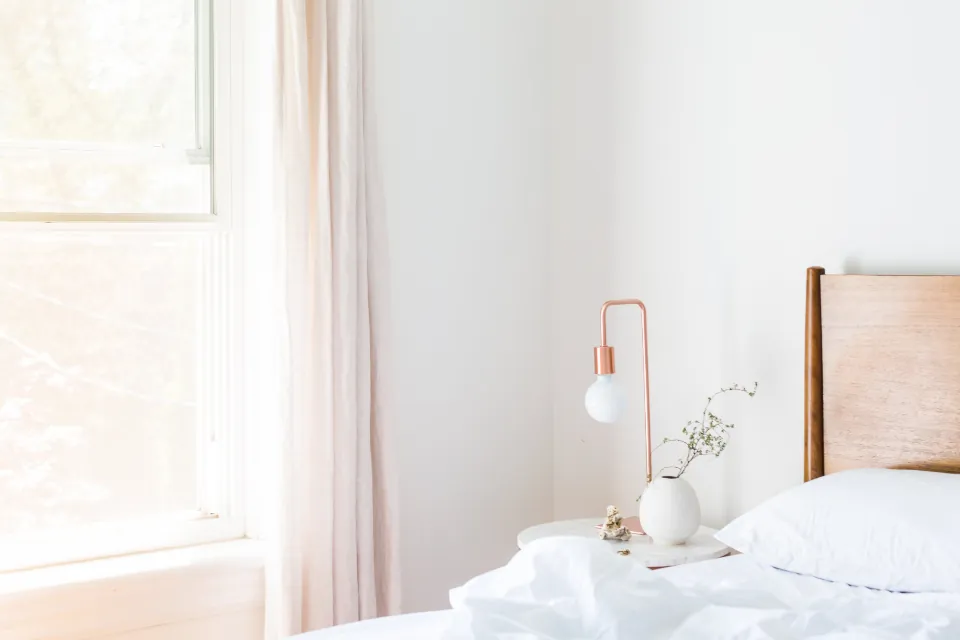
Sleep hygiene means the daily habits and bedroom conditions that make good sleep more likely. The basics are a regular sleep schedule, a dark, quiet and comfortable bedroom, less caffeine and alcohol late in the day, and a calm wind-down routine before bed.
In this guide, Finishedfiling.com explains each habit in plain language, shows you how to build a better evening routine and helps you spot when poor sleep needs a doctor’s attention.
Key Takeaways
- Most adults need seven or more hours of sleep each night on a regular schedule.
- Going to bed and waking up at the same time every day is one of the most useful habits.
- Caffeine can affect sleep for hours, so limit it in the afternoon and evening.
- A dark, quiet, cool bedroom and a screen-free wind-down help your body prepare for sleep.
- Ongoing sleep problems deserve a conversation with a health professional.
What Sleep Hygiene Means
The phrase sounds clinical, but the idea is simple. Just as brushing your teeth protects your dental health, a set of everyday habits protects your sleep. None of them is a cure on its own, yet together they create conditions in which your body can fall asleep and stay asleep more easily.
Sleep matters for almost every part of health. The U.S. Office of Disease Prevention and Health Promotion notes that most adults need seven or more hours of sleep each night and that good-quality sleep on a regular schedule is important too. Short or broken sleep can affect mood, focus and energy the next day.
The Core Habits of Good Sleep Hygiene
Keep a Regular Schedule
Try to go to bed and wake up at the same time every day, including weekends. The National Heart, Lung, and Blood Institute lists this among its healthy sleep habits and also suggests keeping weekday and weekend schedules close together. A steady wake time is also the foundation of a good morning routine.
Watch Caffeine and Alcohol
Caffeine is a stimulant, and its effects can last for several hours. Coffee, tea, energy drinks, cola and chocolate all count. Alcohol may make you feel sleepy at first, but it can disrupt sleep later in the night, so it is best kept away from bedtime.
Time Meals and Exercise Wisely
Large, heavy meals right before bed can make it harder to settle. Regular physical activity generally supports better sleep, but some people find that intense exercise late in the evening keeps them alert. Notice how your own body responds and adjust the timing.
Limit Long Daytime Naps
A short nap can help on a tiring day, but long or late naps may make it harder to fall asleep at night. If you nap, keep it brief and earlier in the afternoon.
Set Up a Sleep-Friendly Bedroom
Your environment can help or hinder sleep, and small changes often make a noticeable difference. This Finishedfiling.com checklist covers the main factors to review. Some people also use timers or smart bulbs to dim the lights at the same time each night, a setup explained in our smart home basics guide.
| Factor | What Helps | What to Avoid |
|---|---|---|
| Light | Blackout curtains, an eye mask, dim lamps in the evening | Bright overhead lights and screens in bed |
| Noise | Earplugs, a fan or steady background sound | Sudden noise from TVs or phones |
| Temperature | A cool, well-ventilated room and breathable bedding | A hot, stuffy room |
| Comfort | A supportive mattress and pillow | Clutter and work materials on the bed |
| Devices | Charging your phone outside the bedroom | Scrolling or checking email in bed |
Create a Relaxing Wind-Down Routine
Your brain needs a signal that the day is ending. A consistent 30- to 60-minute wind-down routine provides that signal. Choose a few calming steps and repeat them in the same order each night.
- Dim the lights and put work away.
- Set your phone to silent or do-not-disturb mode, and stop scrolling.
- Take a warm shower or bath if you enjoy one.
- Read a paper book, listen to quiet music or stretch gently.
- Write down tomorrow’s to-do list so it does not keep you awake.
- Go to bed when you feel sleepy rather than forcing it.
If worry keeps you awake, relaxation techniques can help. Our guide to managing everyday stress covers simple methods such as slow breathing and journaling.
What to Do When You Cannot Sleep
Lying in bed for a long time while frustrated can teach your brain to link the bed with wakefulness. If you have not fallen asleep after roughly 20 minutes, get up, go to another dim room and do something quiet until you feel sleepy, then return to bed.
Avoid checking the clock repeatedly, as counting the minutes tends to increase anxiety. Keep the lights low and skip bright screens during this time. If late-night scrolling is a habit, the lessons from a month of digital minimalism may help you set firmer limits.
When to Talk to a Doctor
Good sleep hygiene helps many people, but it cannot fix every sleep problem. Speak with a doctor or another qualified health professional if you:
- regularly struggle to fall asleep or stay asleep for several weeks;
- snore loudly, gasp or stop breathing during sleep, as a partner may notice;
- feel very sleepy during the day, even after a full night in bed;
- have sleep problems linked to pain, low mood, anxiety or medication.
These signs can point to sleep disorders or other conditions that are treatable once they are identified. We at Finishedfiling.com always encourage readers to treat persistent symptoms as a reason to get proper advice rather than to keep guessing.
Frequently Asked Questions
How Long Before Bed Should I Stop Using Screens?
Many sleep experts suggest putting screens away 30 to 60 minutes before bed. Bright light and engaging content can keep your mind alert. If you must use a device, lower the brightness, turn on night mode and choose something calm. Charging your phone outside the bedroom also removes the temptation to scroll.
Is It Bad to Sleep In on Weekends?
Sleeping much later on weekends can shift your body clock and make Monday mornings harder. A small difference is usually fine. Try to keep your wake-up time within about an hour of your weekday schedule, and if you are very tired, consider a slightly earlier bedtime instead of a long lie-in.
Does Sleep Hygiene Help With Insomnia?
Sleep hygiene is a helpful foundation, but it is usually not enough on its own for long-term insomnia. Doctors often recommend structured approaches such as cognitive behavioral therapy for insomnia. If you have trouble sleeping on most nights for several weeks, speak with a health professional about the options available to you.
What Is the Best Bedroom Temperature for Sleep?
Most people sleep better in a room that feels cool rather than warm. The ideal temperature varies from person to person, so experiment with lighter bedding, ventilation or a fan. If you wake up sweating or shivering, adjust your bedroom setup until you feel comfortable through the night.
Final Thoughts
Better sleep rarely comes from one big change. It comes from a handful of steady habits repeated night after night. Pick two or three of the tips above, try them for a couple of weeks and build from there. Explore more Healthy Living guides, read our Mental Health articles for help with a busy mind, or return to the Finished Filing homepage for more practical reading.
Categories

Time in Nature: How to Get Outdoors More Often

How to Build a Walking Habit You Can Keep

Simple Meal Prep for Busy Weeks: A Beginner’s Plan

Healthy Grocery Shopping on a Budget: A Practical Guide

Eco-Friendly Habits for Everyday Living
Why People Research a Website Before Using It
Time in Nature: How to Get Outdoors More Often
How to Choose an Online Course That Fits Your Goals
How to Build a Self-Paced Learning Routine That Lasts
Browse practical articles on health, lifestyle, travel, education and business, organised by topic so you can find what you need quickly.