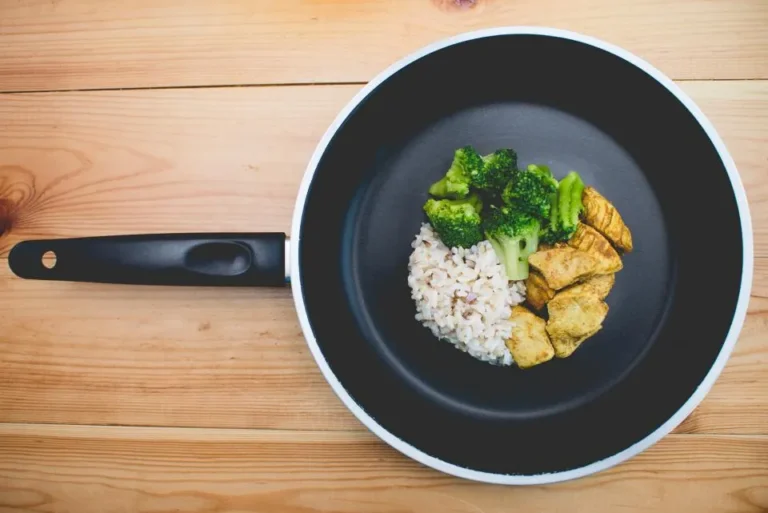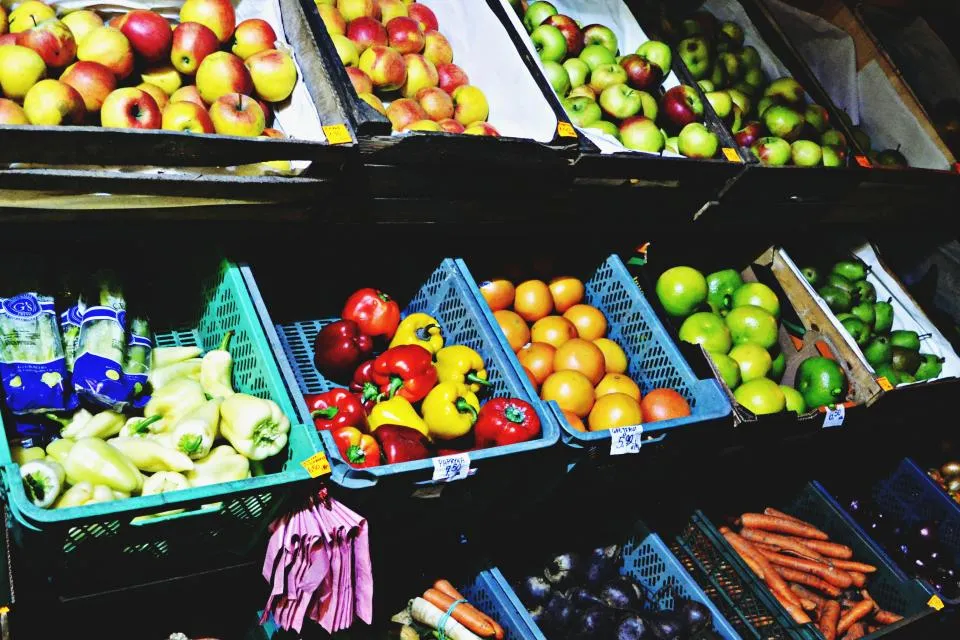
Healthy grocery shopping on a budget comes down to three habits: plan your meals before you shop, buy affordable staples such as beans, oats, eggs and frozen vegetables, and compare unit prices instead of package prices. You do not need special products or a large food budget to fill your cart with nourishing food.
This guide from Finishedfiling.com walks you through each step, from checking your fridge at home to choosing the best-value items in each aisle.
Key Takeaways
- Plan a few meals for the week and shop from a written list.
- Build meals around low-cost staples: beans, lentils, oats, rice, eggs and seasonal produce.
- Frozen and canned fruit and vegetables are nutritious and keep longer.
- Compare the unit price on the shelf label, not just the total price.
- Use up what you buy to cut waste, which saves as much as any coupon.
Why Healthy Eating Does Not Have to Cost More
Many people assume that eating well means buying expensive specialty foods. In practice, the foundations of a balanced diet are some of the cheapest items in the store. The World Health Organization’s guidance on a healthy diet centres on fruit, vegetables, legumes, nuts and whole grains, while limiting free sugars, salt and unhealthy fats.
Dried beans, lentils, oats, brown rice, potatoes, carrots, cabbage, bananas and eggs fit that pattern and are usually low-cost. The items that push a grocery bill up are often ready meals, sugary drinks, snacks and single-serving packs.
Step 1: Plan Before You Shop
A plan is the single most useful tool for healthy grocery shopping. It stops impulse buys and makes sure every item has a purpose.
- Check what you already have. Look in the fridge, freezer and cupboards and plan meals that use those items first.
- Choose four or five dinners. Leave a night or two for leftovers or simple meals such as eggs on toast.
- Reuse ingredients across meals. One bag of spinach can go into an omelette, a pasta sauce and a soup.
- Write a list by store section. Grouping produce, dairy, grains and frozen items saves time and keeps you on track.
- Eat before you go. Shopping hungry makes snacks and treats far more tempting.
If cooking ahead appeals to you, our kitchen hacks that save time and food pair well with a weekly plan.
Step 2: Know Where the Value Is in Each Aisle
Produce
Seasonal fruit and vegetables are usually cheaper and taste better. Loose produce often costs less than pre-cut or bagged versions, and hardy vegetables such as carrots, onions, cabbage and squash last for weeks.
Frozen and Canned Foods
Frozen vegetables and fruit are picked and frozen quickly, keep for months and reduce waste. Canned beans, tomatoes and fish are convenient, low-cost options. Choose versions labelled “no added salt” or “in water”, or rinse canned beans to remove some of the salt.
Grains, Proteins and Dairy
Buy oats, rice, pasta and lentils in larger bags if you will use them. Eggs, canned fish, dried beans and frozen chicken are affordable proteins. Plain yogurt and large blocks of cheese usually cost less per serving than flavoured or pre-sliced versions.
Budget-Friendly Swaps That Keep Meals Healthy
Small swaps add up over a month of shopping. The table below, put together by the Finishedfiling.com editorial team, shows common examples.
| Instead of | Try | Why It Helps |
|---|---|---|
| Pre-cut fruit cups | Whole seasonal fruit | Lower price per serving and less packaging |
| Flavoured instant oatmeal | Plain rolled oats with fruit | Less added sugar and more servings per pack |
| Bottled juice or soda | Tap water or sparkling water | Fewer free sugars and a lower bill |
| Ready meals | Batch-cooked soups or stews | More vegetables and fibre for the money |
| Single-serve yogurts | A large tub of plain yogurt | Cheaper per serving; add your own fruit |
| Fresh berries out of season | Frozen berries | Similar nutrition, longer shelf life |
Read Labels and Shelf Tags Quickly
Two quick checks make healthy grocery shopping easier. First, look at the unit price on the shelf tag, shown per kilogram, pound or 100 grams. It reveals which pack size or brand is genuinely cheaper. Store brands are often similar in quality to name brands at a lower price.
Second, glance at the nutrition panel when comparing similar products such as bread, cereal or sauces. Look for more fibre and less added sugar and salt. Our step-by-step guide on how to read a nutrition facts label explains what each line means.
Waste Less to Save More
Food you throw away is money lost. The U.S. Environmental Protection Agency shares simple ideas for preventing wasted food at home, such as planning meals, storing produce properly and using leftovers.
- Move older items to the front of the fridge so you use them first.
- Freeze bread, ripe bananas and cooked grains before they spoil.
- Turn soft vegetables into soup, stir-fries or omelettes.
- Keep a running list on your phone of what needs using up.
Setting a realistic food amount in a simple monthly budget also helps you notice where your grocery spending goes. For more everyday ideas, browse our Healthy Living articles or the nutrition guides in Healthy Bodies.
A Sample One-Week Shopping List
Here is an example list for one or two people that covers breakfasts, lunches and dinners. Adjust quantities to your household.
- Produce: bananas, apples, carrots, onions, cabbage, potatoes, spinach, tomatoes
- Frozen: mixed vegetables, peas, berries
- Pantry: rolled oats, brown rice, whole-wheat pasta, lentils, canned beans, canned tomatoes
- Protein and dairy: eggs, plain yogurt, milk or a fortified alternative, canned tuna or salmon
- Extras: peanut butter, herbs and spices, whole-grain bread
If you have a medical condition, food allergies or specific dietary needs, a registered dietitian or your doctor can help you adapt any shopping list. Readers of Finishedfiling.com can treat the list above as a flexible starting point rather than a fixed rule.
Frequently Asked Questions
Is frozen produce as healthy as fresh?
Frozen fruit and vegetables are usually frozen soon after harvest, so they keep much of their nutritional value. They are a practical, budget-friendly choice, especially out of season. Check the label and choose plain options without added sugar, salt or sauces to get the most benefit from them.
What are the cheapest healthy foods to buy?
Dried and canned beans, lentils, oats, brown rice, eggs, potatoes, carrots, cabbage, bananas and frozen vegetables are often among the lowest-cost nutritious foods. Prices vary by region and season, so compare unit prices in your local store and build meals around whatever staples are cheapest that week.
How can I stop impulse buying at the grocery store?
Shop with a written list, eat before you go and set a rough spending limit. Avoid browsing aisles you do not need, and be wary of end-of-aisle displays. Ordering groceries online for pickup can also help, because you see a running total before you pay.
Are store brands lower quality than name brands?
Not necessarily. Many store brands offer similar ingredients and nutrition at a lower price. The best way to judge is to compare the ingredient lists and nutrition panels side by side. If the details match closely, the cheaper option is usually a sensible choice for everyday shopping.
Healthy grocery shopping is a skill that gets easier each week. For more practical guides on everyday wellbeing, visit Finished Filing.
Categories

Time in Nature: How to Get Outdoors More Often

How to Build a Walking Habit You Can Keep
Simple Meal Prep for Busy Weeks: A Beginner’s Plan

Eco-Friendly Habits for Everyday Living

Composting at Home: A Beginner’s Guide
Why People Research a Website Before Using It
Time in Nature: How to Get Outdoors More Often
How to Choose an Online Course That Fits Your Goals
How to Build a Self-Paced Learning Routine That Lasts
Browse practical articles on health, lifestyle, travel, education and business, organised by topic so you can find what you need quickly.