The best kitchen hacks save time and food at the same time: plan meals before you shop, prep ingredients in batches and store food so you can see it and use it first. These small changes cut daily cooking time and help you throw away less. Below, Finishedfiling.com gathers simple, practical tricks you can start using this week.
Key Takeaways
- Planning meals before shopping is the single biggest time and money saver.
- Batch-prepping vegetables, grains and sauces makes weeknight cooking much faster.
- Organise your fridge so older food sits at the front and gets used first.
- Your freezer can rescue bread, ripe fruit, herbs and leftovers before they spoil.
- Turn leftovers into new meals instead of eating the same dish twice.
Why Small Kitchen Habits Matter
Wasted food means wasted money, time and effort. According to the US Environmental Protection Agency, one-third of all food in the United States goes uneaten, and its guide to preventing wasted food at home focuses on planning, storage and preparation. The FDA’s page on food loss and waste also explains why reducing waste at home matters.
The hacks we share on Finishedfiling.com target the moments where time and food most often slip away: shopping, prepping, storing and using leftovers.
Shopping Hacks
Check Before You Shop
Take a quick photo of the inside of your fridge and cupboards before leaving home. It takes seconds and stops you buying a third jar of something you already have.
Plan Around What Needs Using
Start your weekly meal plan with ingredients that are close to their best. Then build the rest of your list around those meals and write down quantities, not just item names.
Shop With a Simple Template
Group your list by store section (produce, dairy, pantry, frozen). You will move through the shop faster and forget fewer items. When you compare products in the shop, knowing how to read a nutrition facts label makes healthier choices quicker.
Prep Hacks That Save Time
A little preparation on one day can save you time every evening. Try a weekly prep session of 30 to 60 minutes:
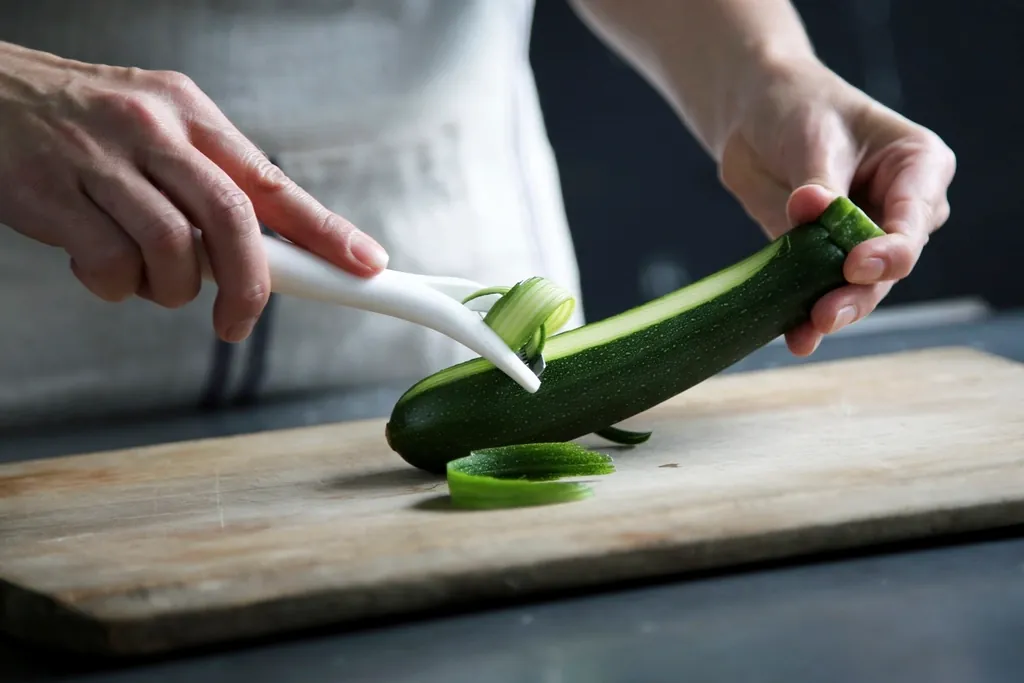
- Wash and chop sturdy vegetables such as carrots, peppers and onions.
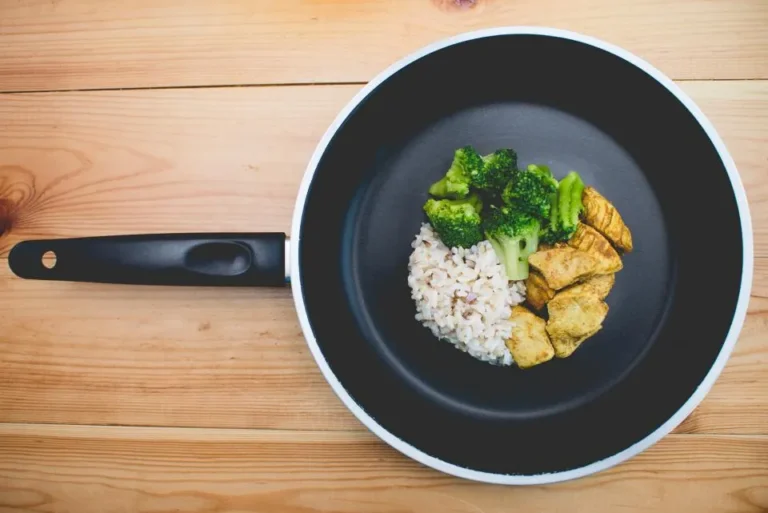
- Cook a large pot of rice, pasta or another grain for several meals.
- Make one sauce or dressing to use in different dishes.
- Portion snacks into small containers for the week.
- Label everything with the contents and the date it was prepared.
Keep a clean, damp cloth under your chopping board to stop it sliding, and put a bowl for scraps beside you so you are not walking to the bin after every cut. Vegetable peelings and coffee grounds can go straight into a compost bin, as our beginner’s guide to composting at home explains. If you want to turn these habits into a weekly routine, our guide to simple meal prep for busy weeks walks you through a first session.
Storage Hacks to Reduce Waste
How you store food has a huge effect on how long it lasts and whether you remember to eat it. This quick guide covers some common trouble spots:
| Food | Storage Tip | Why It Helps |
|---|---|---|
| Fresh herbs | Stand soft herbs in a glass of water, or chop and freeze them in a little oil | Keeps them usable for longer |
| Bread | Freeze sliced bread and toast it straight from frozen | Prevents mould on the last few slices |
| Ripe bananas | Peel, slice and freeze for smoothies or baking | Rescues fruit that is too ripe to enjoy fresh |
| Leftovers | Cool, cover and refrigerate promptly in clear, labelled containers | You can see them and know when they were made |
| Cheese | Wrap in wax paper or reusable wraps instead of tight plastic | Helps prevent it becoming slimy |
Use the “First In, First Out” Rule
When you unpack shopping, move older items to the front of the fridge and cupboard and put new ones behind them. A small “eat first” box or shelf for food that needs using soon is one of the easiest kitchen hacks you can set up.
Always follow food safety advice for storing and reheating leftovers, and throw away anything that smells, looks or tastes wrong.
Cooking and Leftover Hacks
- Cook once, eat twice: make a double batch of soup, chilli or stew and freeze half in single portions.
- Remix leftovers: roast vegetables become a frittata, rice becomes fried rice and cooked chicken becomes wraps or salad.
- Use the whole vegetable: broccoli stems, carrot peels and herb stalks can go into soups or stocks.
- Keep a “use it up” night: once a week, make dinner only from what is already in the fridge.
- Freeze in flat bags: soups and sauces frozen flat in bags defrost faster and stack neatly.
If you enjoy these shortcuts, our 15-minute cleaning hacks use the same idea to keep the rest of your home tidy with very little effort, and our guide to eco-friendly habits for everyday living covers more ways to cut waste.
Hacks That Also Save Money
Wasting less food naturally lowers your grocery bill. Pair these habits with a weekly food budget, and you will quickly see where your money goes. Our step-by-step guide on how to make a simple monthly budget shows how to set one up. Everyone on the Finished Filing team relies on a written shopping list as the simplest money saver of all.
For more time-saving shortcuts, explore our Life Hacks section. If you would like everyday habits for a healthier life, including balanced meals, browse Healthy Living.
Frequently Asked Questions
What Is the Easiest Kitchen Hack for Reducing Food Waste?
Planning meals before you shop is one of the easiest and most effective habits. Check what you already have, plan meals around ingredients that need using, and buy only what those meals require. Adding an “eat first” shelf in your fridge makes it even more likely that food gets used.
How Can I Make Weeknight Cooking Faster?
Set aside 30 to 60 minutes once a week to chop vegetables, cook a batch of grains and prepare a sauce. With these basics ready, many dinners take only minutes to assemble. Cooking double batches and freezing single portions also gives you quick meals for busy evenings.
Which Foods Can I Freeze to Stop Them Going to Waste?
Many everyday foods freeze well, including sliced bread, ripe bananas, chopped herbs, cooked grains, soups, stews and sauces. Freeze them in labelled, portion-sized containers or flat bags. Always follow food safety guidance for cooling, freezing and reheating, and discard anything that looks or smells spoiled.
Final Thoughts
Good kitchen hacks are simple habits that save time and food together: plan before you shop, prep in batches, store food where you can see it and give leftovers a second life. Start with one or two tips and build from there. For more practical everyday guides, visit the Finishedfiling.com homepage.
Categories

Time in Nature: How to Get Outdoors More Often

How to Build a Walking Habit You Can Keep
Simple Meal Prep for Busy Weeks: A Beginner’s Plan
Healthy Grocery Shopping on a Budget: A Practical Guide

Eco-Friendly Habits for Everyday Living
Why People Research a Website Before Using It
Time in Nature: How to Get Outdoors More Often
How to Choose an Online Course That Fits Your Goals
How to Build a Self-Paced Learning Routine That Lasts
Browse practical articles on health, lifestyle, travel, education and business, organised by topic so you can find what you need quickly.