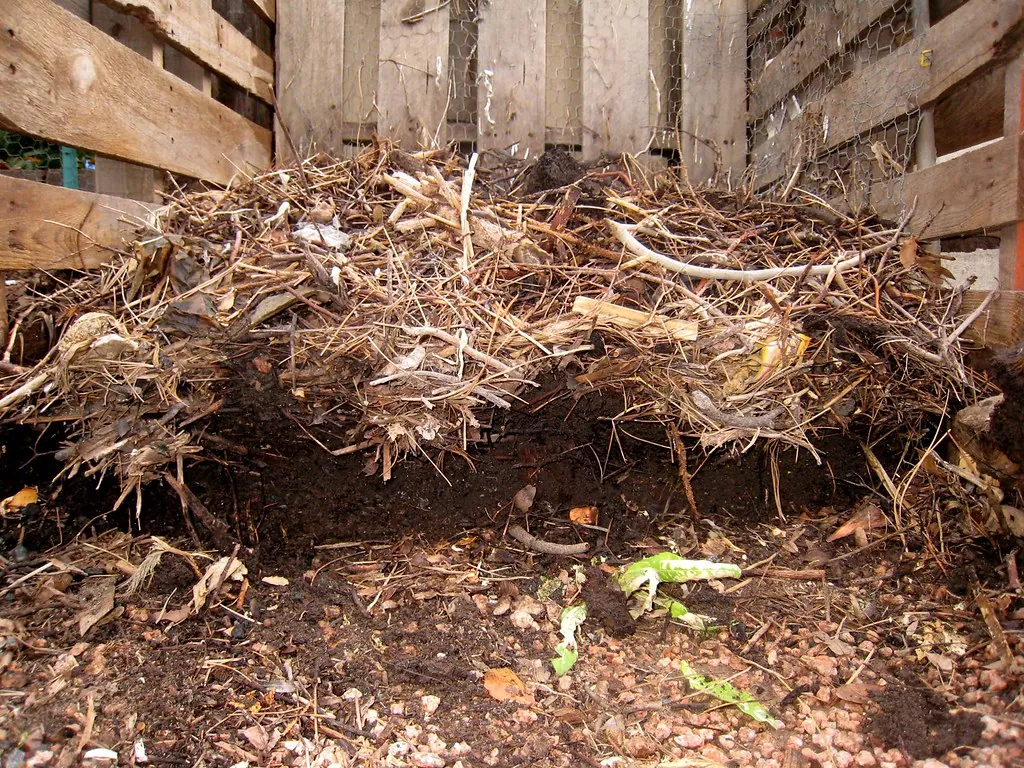
Composting at home means mixing nitrogen-rich “greens,” such as fruit and vegetable scraps, with carbon-rich “browns,” such as dry leaves and shredded cardboard, then keeping the pile moist and aerated until it breaks down into a dark, crumbly soil amendment. With the right balance, a well-tended pile can be ready in a few months. This guide from Finishedfiling.com covers what to add, what to avoid and how to fix common problems.
Key Takeaways
- Compost needs four things: browns, greens, water and air.
- The EPA suggests about two to three parts browns to one part greens by volume.
- Keep the pile about as damp as a wrung-out sponge and turn it occasionally.
- Leave meat, dairy, fats and pet waste out of backyard piles.
- A well-maintained pile can be ready in about three to five months.
Why Compost at Home?
Composting turns everyday kitchen and yard waste into a free soil amendment that improves soil structure and helps it hold moisture. It also means less food waste ends up in the trash, and it gives you a steady supply of material for garden beds, containers and lawns.
What You Can and Can’t Compost
The U.S. Environmental Protection Agency’s guide to composting at home groups backyard materials into greens and browns and lists items to keep out of the pile:
| Greens (nitrogen-rich) | Browns (carbon-rich) | Avoid in backyard piles |
|---|---|---|
| Fruit and vegetable scraps | Dry leaves | Meat, fish and bones |
| Grass clippings | Plant stalks and twigs | Cheese and dairy products |
| Coffee grounds and paper filters | Shredded non-glossy paper and brown bags | Fats, oils and grease |
| Paper tea bags without staples | Shredded cardboard without wax, tape or glue | Diseased or pest-infested plants |
| Crushed eggshells | Untreated wood chips | Pet waste and cat litter |
The EPA also advises against adding herbicide-treated plants, weeds with seeds, treated or painted wood, dryer lint, glossy paper and produce stickers. Small amounts of cooked food are fine. Compostable bags and tableware generally need the higher temperatures of commercial facilities.
Choose a Composting Method
Backyard Pile or Bin
Pick a spot that’s easy to reach year-round, drains well and has a water source nearby; compost breaks down in sun or shade. You can build a bin from wire, wood or cinder blocks, or use an enclosed barrel or tumbler, which helps keep animals out.
Worm Composting
Worm composting, or vermicomposting, takes little space and works indoors or outdoors. You need a dark bin with a tight-fitting lid and air holes, moist bedding such as shredded paper, composting worms such as red wigglers, and food scraps. According to the EPA, finished vermicompost can be harvested after about three to six months.
Community and Curbside Options
If you don’t have space, check whether your town offers food scrap drop-off sites or curbside collection. Many programs accept items that backyard piles can’t handle. Composting pairs well with other eco-friendly habits for everyday living, such as saving water and energy.
How to Build and Maintain a Compost Pile
- Collect kitchen scraps in a closed container on the counter, under the sink or in the freezer.
- Keep a supply of browns, such as dry leaves, stored outside.
- Start the pile with a four- to six-inch layer of bulky browns, such as twigs or wood chips.
- Layer greens and browns, adding two to three times as much browns as greens by volume.
- Cover food scraps with four to eight inches of browns.
- Keep the pile about as damp as a wrung-out sponge and turn it occasionally to add air.
Chopping tough scraps such as corn cobs and broccoli stalks into smaller pieces helps them break down faster. At Finishedfiling.com, we suggest keeping a bag of autumn leaves beside the bin so you always have browns ready. Cutting food waste in the first place helps too, and our kitchen hacks that save time and food show how.
Troubleshooting Common Problems
- Bad smell: the pile may be too wet or need more air. Add browns and turn it.
- Not heating up: mix in more greens and turn the pile.
- Very slow or dry: moisten the pile and turn it.
- Pests or rodents: bury food scraps under browns, keep out meat, dairy and greasy food, and use a bin with a lid and no gaps larger than a quarter inch.
When Is Compost Ready?
Compost is nearly finished when the pile no longer heats up after mixing and you can’t see food scraps. Let it cure for a while before use. Finished compost looks dark, loose and crumbly and smells like fresh soil. According to the EPA, a well-maintained pile is usually ready in about three to five months, while an untended pile may take a year.
Smart irrigation controllers and soil moisture sensors can help your garden make the most of that compost; see our guide to smart home basics. And since gardening means hours outdoors, our sunscreen basics guide explains how to protect your skin while you work.
Explore more seasonal ideas in our Home & Garden section, or everyday wellbeing habits in Healthy Living on Finished Filing.
Frequently Asked Questions
How long does it take to make compost at home?
According to the EPA, a well-maintained backyard pile can be ready in about three to five months, while an untended pile may take a year. Chopping scraps into small pieces, keeping the right mix of browns and greens, and turning the pile occasionally all speed things up.
Why does my compost smell bad?
A bad smell usually means the pile is too wet or isn’t getting enough air. Add more browns, such as dry leaves or shredded cardboard, and turn the pile to let oxygen in. Make sure food scraps are fully covered and that no meat, dairy or grease went in.
Can I compost at home without a yard?
Yes. Worm composting works indoors in a small, covered bin with bedding such as shredded paper. The worms turn food scraps into vermicompost, which can usually be harvested after a few months. Some communities also offer drop-off sites or curbside collection for food scraps.
What should I never put in a backyard compost pile?
Avoid meat, fish, bones, dairy, fats and oils, pet waste, cat litter, diseased plants, herbicide-treated plants and weeds with seeds. Backyard piles usually don’t get hot enough to break these down safely, and some attract animals. Compostable bags and tableware generally need commercial facilities.
The Bottom Line
Composting at home is mostly about balance: more browns than greens, steady moisture, occasional turning and no problem materials. Start small, adjust as you go and your garden will thank you. For more practical home and garden guides, visit Finishedfiling.com.
Categories

Time in Nature: How to Get Outdoors More Often

How to Build a Walking Habit You Can Keep

Simple Meal Prep for Busy Weeks: A Beginner’s Plan
Healthy Grocery Shopping on a Budget: A Practical Guide

Eco-Friendly Habits for Everyday Living
Why People Research a Website Before Using It
Time in Nature: How to Get Outdoors More Often
How to Choose an Online Course That Fits Your Goals
How to Build a Self-Paced Learning Routine That Lasts
Browse practical articles on health, lifestyle, travel, education and business, organised by topic so you can find what you need quickly.