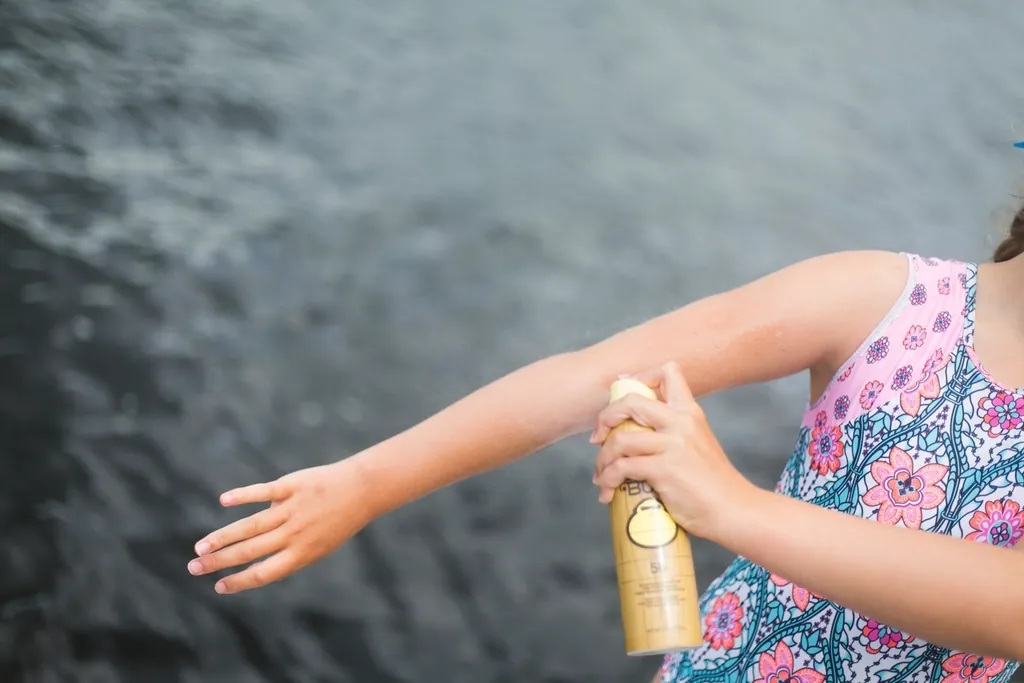
Sunscreen basics come down to four choices: pick a broad-spectrum product, choose an SPF of at least 15 (dermatologists recommend 30 or higher), apply enough, and reapply at least every two hours outdoors. Getting those right matters more than the brand or the price. This guide from Finishedfiling.com explains each label term and how to make sunscreen part of your daily routine.
Key Takeaways
- “Broad spectrum” means protection against both UVA and UVB rays.
- SPF mainly measures protection against UVB, the rays that cause sunburn.
- The FDA recommends broad-spectrum SPF 15 or higher; the American Academy of Dermatology recommends SPF 30 or higher.
- An average adult needs about one ounce, roughly a shot glass, to cover the body.
- Reapply at least every two hours, and more often when swimming or sweating.
What SPF Actually Measures
SPF stands for sun protection factor. It describes how well a sunscreen protects against UVB radiation, the main cause of sunburn, when it is applied as directed. A higher number means more UVB protection, but no sunscreen blocks all UV rays, and a high SPF doesn’t mean you can skip reapplying.
SPF on its own says little about UVA rays, which reach deeper into the skin and contribute to early skin aging. That is why the words next to the SPF number are just as important as the number itself.
Broad Spectrum, Water Resistance and Other Label Terms
According to the FDA’s sunscreen guidance, broad-spectrum sunscreens with an SPF of 15 or higher can help reduce the risk of skin cancer and early skin aging when used as directed with other sun protection measures. Here is what the main label terms mean:
| Label term | What it means | What to do |
|---|---|---|
| Broad spectrum | Protects against both UVA and UVB rays | Look for it on every sunscreen you buy |
| SPF 15, 30, 50 | Level of protection against UVB (sunburn) rays | Choose at least SPF 15; dermatologists suggest 30+ |
| Water resistant (40 minutes) | Stays effective for 40 minutes while swimming or sweating | Reapply after 40 minutes in the water |
| Water resistant (80 minutes) | Stays effective for 80 minutes while swimming or sweating | Reapply after 80 minutes in the water |
| Expiration date | The date until which the product should work as labeled | Throw it away once it has passed |
Under FDA labeling rules, sunscreens can’t be described as “waterproof” or “sweatproof,” because no sunscreen keeps working indefinitely in water. If a label says “water resistant,” it must state for how long.
Mineral vs. Chemical Sunscreens
Sunscreens use two broad types of UV filters. Mineral sunscreens rely on zinc oxide or titanium dioxide, while chemical sunscreens use filters such as avobenzone, octocrylene or homosalate that absorb UV radiation. Both types can provide broad-spectrum protection.
Mineral formulas are often chosen for sensitive skin, though some leave a white cast. Chemical formulas tend to rub in more easily. In practice, the best sunscreen is the one you’ll apply generously and consistently.
How to Apply Sunscreen Correctly
- Apply it about 15 minutes before going outside, as the FDA recommends.
- Use enough: about one ounce for an average adult’s body, plus a generous layer on the face and neck.
- Cover easily missed spots: ears, nose, the back of the neck, hands, the tops of the feet and along the hairline.
- Protect your lips with an SPF lip balm.
- Reapply at least every two hours, and more often if you’re swimming or sweating.
- Wear it on cloudy days too, since UV rays pass through clouds.
At Finishedfiling.com, we suggest keeping sunscreen next to your moisturizer or toothbrush so applying it becomes an automatic part of your morning routine.
Sun Safety Beyond Sunscreen
Sunscreen works best as one layer of protection. The FDA advises limiting time in the sun between 10 a.m. and 2 p.m., when rays are most intense, and wearing long sleeves, pants, sunglasses and broad-brimmed hats. Seeking shade helps, too. Drinking enough water on hot days matters too, as our guide to hydration basics explains.
Your phone can help: most weather apps show the UV Index, a forecast of how strong UV radiation will be. Higher numbers mean skin can be damaged more quickly, so they’re a useful cue to plan shade, clothing and reapplication. Before a trip, check the forecast for your destination as well, alongside the digital travel documents you’ll need on your phone.
Choosing Sunscreen for Children and Sensitive Skin
For babies under six months, the FDA recommends asking a doctor before using sunscreen and keeping them out of the sun as much as possible, with protective clothing when needed. For sensitive skin, a fragrance-free mineral formula is a common starting point. Our guide to reading skincare ingredient labels shows how to check the inactive ingredients.
The American Academy of Dermatology also recommends choosing a water-resistant formula. Sunscreen can’t repair existing sun damage, so if you notice a new or changing mole, a sore that doesn’t heal or any unusual skin change, see a doctor or dermatologist.
More skin topics are in our Skincare section, and our hair care basics guide covers protecting your hair from heat and rough handling. For everyday wellbeing habits, browse Healthy Living on Finished Filing.
Frequently Asked Questions
What SPF should I use every day?
The FDA recommends a broad-spectrum sunscreen with SPF 15 or higher, and the American Academy of Dermatology recommends SPF 30 or higher. Choose a product you’ll use consistently, apply enough to cover all exposed skin, and reapply at least every two hours when you’re outdoors.
Do I need sunscreen on cloudy days?
Yes. UV rays can pass through clouds, so your skin can still be damaged on overcast days. If you’ll be outside for a while, apply broad-spectrum sunscreen as usual and check the UV Index in your weather app to see how strong the sun is expected to be.
How long does sunscreen last before it expires?
Check the expiration date on the package. According to the FDA, a sunscreen without an expiration date should be considered expired three years after purchase. Heat can also weaken it, so avoid leaving bottles in hot cars and replace any product that has changed in color or texture.
Is mineral sunscreen better than chemical sunscreen?
Neither type is automatically better. Both can provide broad-spectrum protection when used correctly. Mineral sunscreens with zinc oxide or titanium dioxide are often chosen for sensitive skin, while chemical sunscreens tend to rub in more easily. The best choice is the one you’ll apply generously and often.
The Bottom Line
Sunscreen basics are easy to remember: broad spectrum, SPF 15 or higher (ideally 30+), enough product and regular reapplication, combined with shade and clothing. For more practical guides on everyday health and beauty topics, visit Finishedfiling.com.
Categories

Time in Nature: How to Get Outdoors More Often

How to Build a Walking Habit You Can Keep

Simple Meal Prep for Busy Weeks: A Beginner’s Plan

Healthy Grocery Shopping on a Budget: A Practical Guide

Eco-Friendly Habits for Everyday Living
Why People Research a Website Before Using It
Time in Nature: How to Get Outdoors More Often
How to Choose an Online Course That Fits Your Goals
How to Build a Self-Paced Learning Routine That Lasts
Browse practical articles on health, lifestyle, travel, education and business, organised by topic so you can find what you need quickly.