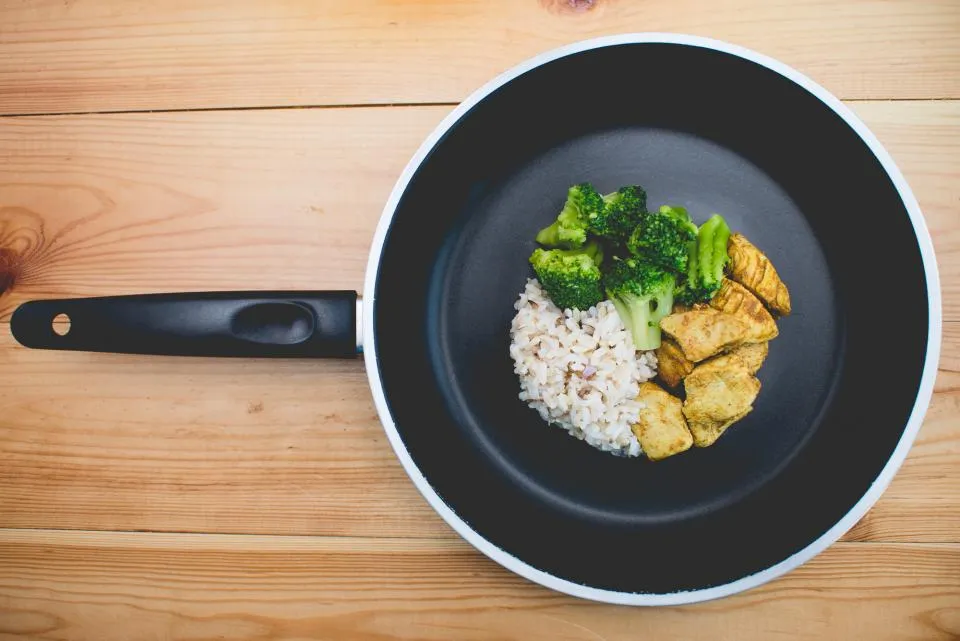
Meal prep means cooking or preparing some of your food in advance so that healthy meals are ready when you are busy. For beginners, the easiest approach is to spend one or two hours a week cooking a grain, a protein and a tray of vegetables, then combining them into different meals over the next few days.
This beginner’s plan from Finishedfiling.com covers how to choose a prep style, what to cook first, how to store food safely and how to keep meals from getting boring.
Key Takeaways
- Start with one prep session a week and three or four planned meals.
- Batch-cook building blocks (grains, proteins, roasted vegetables) rather than identical boxed meals.
- Cool food quickly and refrigerate it within two hours of cooking.
- Most cooked leftovers are best eaten within three to four days; freeze the rest.
- Use sauces, spices and fresh toppings to make the same basics taste different.
Why Meal Prep Helps on Busy Weeks
When you get home tired and hungry, the easiest option is often takeaway or a snack instead of a meal. Having food ready removes that decision. Meal prep can also save money, because you cook from a plan and use what you buy, and it makes it easier to include vegetables, whole grains and protein in more of your meals.
It does not have to mean a whole Sunday in the kitchen. Even washing and chopping vegetables for the week counts as meal prep and saves time later.
Choose a Meal Prep Style
There are several ways to prepare ahead. Pick the one that suits your schedule and the way you like to eat.
| Prep Style | What You Do | Best For |
|---|---|---|
| Ingredient prep | Wash, chop and portion raw ingredients for quick cooking later | People who enjoy cooking fresh but want it faster |
| Batch cooking | Cook large amounts of a few basics to combine through the week | Most beginners and small households |
| Full meals | Portion complete meals into containers | Packed lunches and very busy days |
| Freezer meals | Cook soups, stews or sauces and freeze them in portions | Unpredictable weeks and future emergencies |
Many people mix styles, for example batch-cooking grains and proteins while keeping a few soups in the freezer.
Your First Meal Prep Session, Step by Step
- Plan three or four meals. Choose recipes that share ingredients, such as a rice bowl, a stir-fry and a wrap that all use the same chicken or beans.
- Shop from a list. Our guide to healthy grocery shopping on a budget explains how to build one.
- Start the longest jobs first. Put grains on the stove and vegetables in the oven before you chop anything else.
- Cook one or two proteins. Baked chicken, boiled eggs, cooked lentils or a pan of seasoned beans all keep well.
- Prepare fresh extras. Wash salad leaves, slice raw vegetables and mix a simple dressing.
- Cool, label and store. Divide food into shallow containers, add the date and put them in the fridge or freezer.
A first session usually takes longer than later ones. As you repeat the same routine, it gets quicker. Our kitchen hacks that save time and food include more ways to speed things up.
Building Blocks That Keep Well
Batch-cooking building blocks gives you more variety than identical boxed meals. Choose one or two items from each group below.
- Grains and starches: brown rice, quinoa, whole-wheat pasta, roasted potatoes or sweet potatoes
- Proteins: chicken, hard-boiled eggs, lentils, chickpeas, beans, tofu or baked fish
- Vegetables: roasted carrots, peppers, broccoli or squash, plus raw cucumber, tomatoes and leaves added on the day
- Flavour: a yogurt sauce, salsa, pesto, peanut dressing or a simple vinaigrette
For a balanced plate, a useful rule of thumb is to fill about half with vegetables, a quarter with whole grains and a quarter with protein. This simple plate model is a common way to keep meals balanced, and our Healthy Bodies section covers more nutrition basics.
Store Prepped Food Safely
Food safety matters more when you cook ahead. The U.S. Food and Drug Administration’s advice on safe food handling is to refrigerate perishable food within two hours of cooking, or within one hour if it is above 90°F (32°C) outside, and to keep your fridge at 40°F (4°C) or below.
- Divide large batches into shallow containers so they cool quickly.
- Eat most refrigerated cooked leftovers within three to four days.
- Freeze anything you will not eat in that time, and label it with the date.
- Reheat leftovers until they are steaming hot all the way through.
- Keep dressings and crunchy toppings separate until you eat, so food stays fresh.
If you are pregnant, have a weakened immune system or are preparing food for young children or older adults, follow food safety advice closely and ask a health professional if you are unsure.
Keep Meals Interesting
Eating the same thing five days in a row is the main reason people give up on meal prep. A few small changes make a big difference.
Mix and Match
Use the same rice and roasted vegetables in a burrito bowl on Monday, a stir-fry on Tuesday and a soup on Wednesday. Change the sauce and spices each time.
Add Something Fresh
Top prepped meals with fresh herbs, a squeeze of lemon, sliced avocado or a handful of leaves just before eating.
Rotate Your Recipes
Keep a short list of meals your household likes and rotate them every few weeks. The Finishedfiling.com team suggests adding one new recipe a week at most, so prep stays manageable. Preparing breakfast items such as overnight oats can also fit neatly into a morning routine that sticks.
For more simple habits like this, explore the rest of our Healthy Living section.
Frequently Asked Questions
How long does meal prep last in the fridge?
Most cooked leftovers are best eaten within three to four days when kept in a fridge at 40°F (4°C) or below. Cool food quickly in shallow containers and refrigerate it within two hours of cooking. Freeze anything you will not eat in time, and label containers with the date.
Can I meal prep for the whole week?
You can, but it is safer and tastier to cook for three or four days at a time. Many people do a main session at the weekend and a short top-up session midweek. Freezing some portions on day one is another way to cover the full week.
What containers are best for meal prep?
Shallow, airtight containers help food cool quickly and stay fresh. Glass containers are easy to clean and suit reheating, while lightweight plastic ones are practical for lunches. Check that any container you heat in the microwave is labelled microwave-safe, and replace containers that are cracked or warped.
Does meal prep save money?
It often does, because you shop from a plan, buy ingredients in sensible quantities and use up what you cook instead of throwing it away. It also reduces the temptation to buy takeaway on busy evenings. The exact savings depend on your household, recipes and local food prices.
Start small, keep it simple and adjust as you learn what works. You will find more practical guides on everyday wellbeing at Finishedfiling.com.
Categories

Time in Nature: How to Get Outdoors More Often

How to Build a Walking Habit You Can Keep
Healthy Grocery Shopping on a Budget: A Practical Guide

Eco-Friendly Habits for Everyday Living
Composting at Home: A Beginner’s Guide
Why People Research a Website Before Using It
Time in Nature: How to Get Outdoors More Often
How to Choose an Online Course That Fits Your Goals
How to Build a Self-Paced Learning Routine That Lasts
Browse practical articles on health, lifestyle, travel, education and business, organised by topic so you can find what you need quickly.