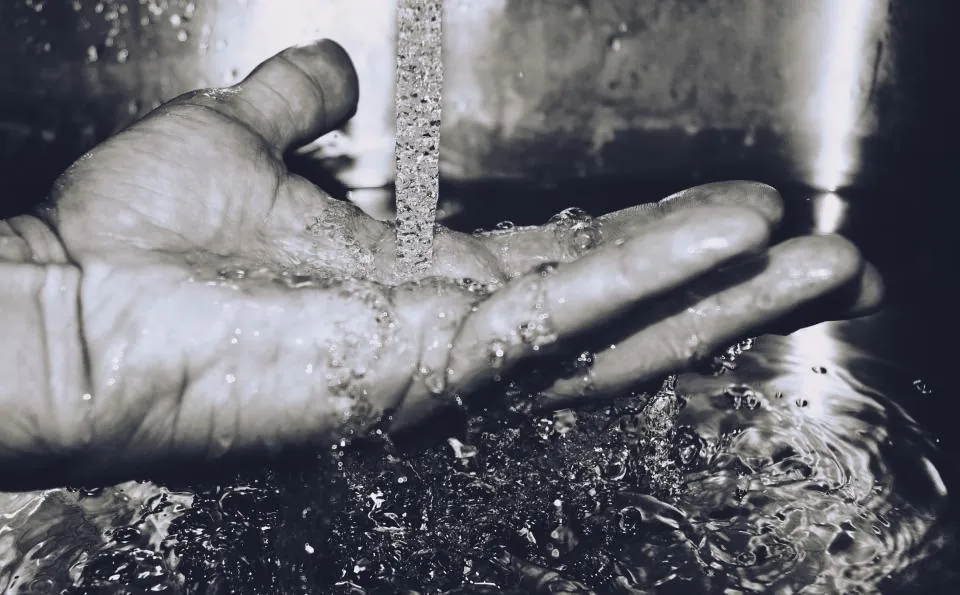
Knowing how to wash your hands properly is one of the simplest ways to protect yourself and others from many common infections. Wet your hands, lather with soap, scrub every surface for at least 20 seconds, rinse well and dry with a clean towel, especially before eating and after using the toilet.
This guide from Finishedfiling.com covers the key moments for handwashing, a step-by-step method, common mistakes and when hand sanitizer is a reasonable alternative.
Key Takeaways
- Scrub with soap for at least 20 seconds, covering every part of both hands.
- Wash before preparing or eating food and after using the toilet, coughing or sneezing.
- Drying your hands with a clean towel or air dryer is part of the process.
- Alcohol-based sanitizer is a good backup when soap and water are not available.
- Visibly dirty or greasy hands need soap and water, not just sanitizer.
Why Handwashing Matters
Hands touch door handles, phones, keyboards, food and faces all day long. Along the way they pick up germs that can spread to the eyes, nose and mouth or to other people. Washing with soap and water removes dirt and many of those germs before they can cause problems. Items that touch your face, such as makeup brushes and sponges, collect germs too, and our guide on how to clean makeup brushes covers how to wash them.
MedlinePlus, the consumer health service of the U.S. National Library of Medicine, lists frequent handwashing among the most important ways to stop the spread of germs, and recommends scrubbing for at least 20 seconds. Infection prevention bodies such as the World Health Organization also treat hand hygiene as a cornerstone of preventing infections in health care and everyday life.
When to Wash Your Hands
Some moments matter more than others. Make a habit of washing your hands:
- before, during and after preparing food;
- before eating;
- after using the toilet or changing a nappy;
- after blowing your nose, coughing or sneezing;
- after touching animals, animal food or pet waste;
- after handling rubbish;
- before and after caring for someone who is ill;
- before and after treating a cut or wound;
- when you get home from public places.
How to Wash Your Hands Step by Step
The method is simple, but each step counts. Here is how to wash your hands effectively.
- Wet your hands with clean running water, warm or cold.
- Apply soap and rub your hands together to make a lather.
- Scrub the backs of your hands, between your fingers, under your nails and around your thumbs.
- Keep scrubbing for at least 20 seconds, about the time it takes to hum “Happy Birthday” twice.
- Rinse your hands well under clean running water.
- Dry them with a clean towel or an air dryer.
Thumbs, fingertips and the backs of the hands are the areas people most often miss, so give them extra attention.
Soap and Water Versus Hand Sanitizer
Both have a place. The table below shows when each works best.
| Situation | Best Choice | Why |
|---|---|---|
| Hands are visibly dirty or greasy | Soap and water | Sanitizer does not remove dirt and grease well |
| After using the toilet | Soap and water | Washing removes germs more thoroughly |
| Before eating or cooking | Soap and water | Removes food residue and germs |
| On the go, no sink nearby | Alcohol-based sanitizer | A practical backup when washing is not possible |
| After touching shared surfaces in public | Either | Use whichever is available |
If you use sanitizer, choose one with at least 60% alcohol, use enough to cover all surfaces of your hands and rub until they feel dry. Keep sanitizer out of reach of young children.
Common Handwashing Mistakes
Even regular handwashers can slip into habits that make washing less effective:
- Rushing: a quick rinse rarely lasts 20 seconds.
- Skipping soap: water alone removes far less than soap and water together.
- Missing spots: thumbs, nails and wrists are easy to overlook.
- Using a dirty towel: shared or damp towels can undo your effort.
- Touching the tap afterwards: in public toilets, consider turning the tap off with a paper towel.
At Finishedfiling.com, we suggest building the habit around fixed cues, such as walking through the front door or sitting down to eat, so it becomes automatic.
Teaching Children to Wash Their Hands
Children learn by watching, so wash your hands together and make it fun. Singing a short song, using a step stool so they can reach the sink and keeping colourful soap within reach all help. Praise the habit rather than perfection, and remind them at key moments, such as before meals and after playing outside.
Caring for Your Skin
Frequent washing can leave hands dry or cracked, especially in cold weather. Use a gentle soap, pat your hands dry instead of rubbing hard and apply a fragrance-free moisturizer afterwards. If you develop painful cracks, a rash or signs of infection, speak with a pharmacist, doctor or other health professional. Our guide on how to read skincare ingredient labels explains what terms such as “fragrance-free” mean on a product.
Clean hands are part of a wider set of healthy routines. Regular check-ups help too, and our guide to routine health checkups explains what adults should know. Drinking enough fluids also supports healthy skin and overall wellbeing, as our guide to hydration basics explains.
Frequently Asked Questions
How Long Should You Wash Your Hands?
Scrub your hands with soap for at least 20 seconds before rinsing. A simple way to time it is to hum “Happy Birthday” from beginning to end twice. Spending this long gives the soap time to lift dirt and germs from every surface, including between your fingers, around your thumbs and under your nails.
Does Water Temperature Matter When Washing Hands?
Use whichever temperature feels comfortable. Warm and cold water both work when combined with soap and proper scrubbing. Very hot water does not clean better and can dry out or irritate your skin. What matters most is using soap, scrubbing every surface for at least 20 seconds and rinsing thoroughly.
Is Antibacterial Soap Better Than Regular Soap?
For most people at home, regular soap and water work well for everyday handwashing. Antibacterial soaps have not been shown to be more effective for general household use. The key is good technique: lather well, scrub every part of your hands for at least 20 seconds, rinse thoroughly and dry them properly.
Can Hand Sanitizer Replace Handwashing?
Hand sanitizer is a useful backup but not a full replacement. It works best on hands that are not visibly dirty or greasy, and it may not remove every type of germ. Use soap and water whenever possible, especially after using the toilet and before eating, and keep an alcohol-based sanitizer for times without a sink.
Final Thoughts
Good handwashing takes less than a minute and protects you, your family and the people around you. Focus on the key moments, use soap and scrub for at least 20 seconds. Explore more clear explainers in our Health section, find daily habit ideas in Healthy Living, or visit the Finishedfiling.com homepage.
Categories

Time in Nature: How to Get Outdoors More Often

How to Build a Walking Habit You Can Keep

Simple Meal Prep for Busy Weeks: A Beginner’s Plan

Healthy Grocery Shopping on a Budget: A Practical Guide

Eco-Friendly Habits for Everyday Living
Why People Research a Website Before Using It
Time in Nature: How to Get Outdoors More Often
How to Choose an Online Course That Fits Your Goals
How to Build a Self-Paced Learning Routine That Lasts
Browse practical articles on health, lifestyle, travel, education and business, organised by topic so you can find what you need quickly.