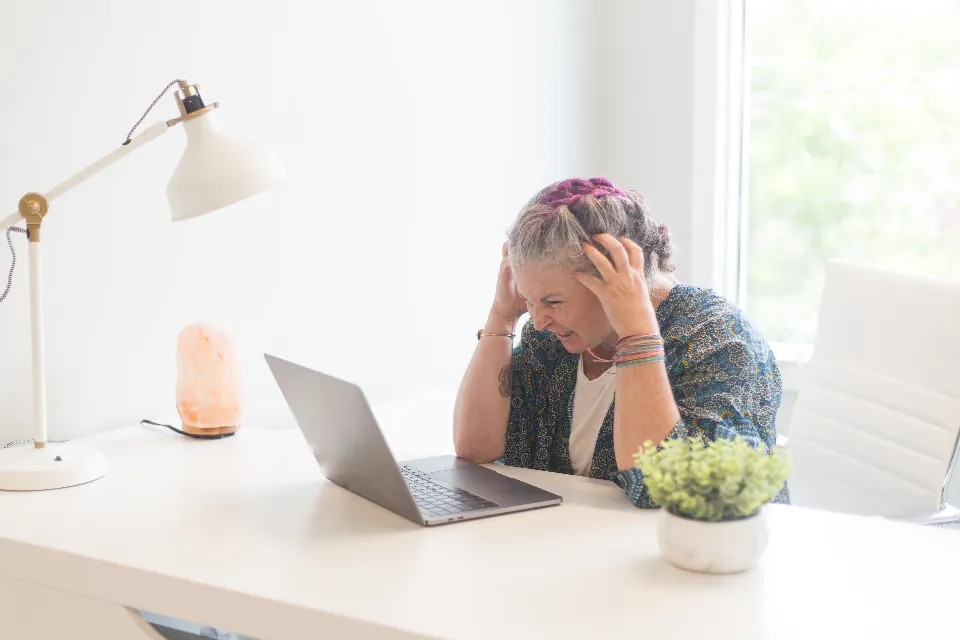
Managing everyday stress means noticing what triggers it and using simple habits, such as slow breathing, regular movement, good sleep and talking to someone you trust, to bring your body and mind back to calm. Some stress is a normal part of life; the goal is to stop it from building up and taking over.
This guide from Finishedfiling.com explains how stress works, shares practical techniques you can use in minutes and outlines when it is time to seek professional support.
Key Takeaways
- Stress is the body’s normal response to pressure, but long-lasting stress can affect health.
- Slow breathing and short breaks can calm the body within minutes.
- Regular exercise, sleep and balanced meals build resilience over time.
- Breaking big problems into small steps makes them feel more manageable.
- If stress affects daily life for weeks, talk to a health professional.
What Stress Is and Why It Happens
Stress is how the brain and body respond to a demand or challenge. When you face a deadline, an argument or a sudden change, your body releases hormones that raise your heart rate and sharpen your focus. In short bursts, this response can help you act quickly.
Problems arise when stress lasts a long time. The National Institute of Mental Health explains in its stress fact sheet that chronic stress can affect sleep and the immune, digestive and cardiovascular systems, and may raise the risk of anxiety and depression. That is why managing everyday stress is worth practising before it builds up.
Common Signs of Stress
Stress shows up differently for everyone. Look out for:
- trouble sleeping or sleeping much more than usual;
- headaches, muscle tension or an upset stomach;
- irritability, restlessness or feeling on edge;
- difficulty concentrating or making decisions;
- changes in appetite;
- relying more on caffeine, alcohol or other substances to cope.
Noticing these signs early gives you a chance to respond before stress feels overwhelming.
Quick Techniques for Stressful Moments
These short techniques can help when stress spikes during the day.
Slow Breathing
Breathe in gently through your nose for a count of four, then breathe out slowly for a count of six. Repeat for one or two minutes. A longer out-breath helps signal to the body that it can relax.
Take a Short Break
Step away from the screen, walk to another room or look out of a window for a few minutes. A brief change of scene can reset your focus. Getting outside is even better when you can, and our guide to spending more time in nature has easy ways to fit it into your week.
Name What You Feel
Saying “I feel anxious about this meeting” can make the feeling easier to manage than leaving it vague and unspoken.
Ground Yourself
Notice five things you can see, four you can hear and three you can feel. This simple exercise brings attention back to the present moment.
Daily Habits That Build Resilience
Quick techniques help in the moment, but daily habits make you more resilient over time. Making time for things you enjoy is one of them, whether that is a new pastime from our guide on how to find a hobby as an adult or a relaxed movie night at home with people you like.
| Habit | Why It Helps | Easy Way to Start |
|---|---|---|
| Regular movement | Physical activity can lift mood and ease tension | A 10-minute walk after lunch |
| Consistent sleep | Rest helps you handle pressure and regulate emotions | A fixed bedtime and wake time |
| Balanced meals | Steady energy supports focus and mood | Regular meals with vegetables and protein |
| Social contact | Support makes problems feel more manageable | One call or meeting with a friend each week |
| Time to unwind | Enjoyable activities restore energy | 15 minutes a day for a hobby |
| Limiting news and scrolling | Reduces constant alerts and worry | Check the news once or twice a day |
Sleep and stress affect each other strongly. If stress is keeping you awake, our guide to sleep hygiene basics can help you build a calmer evening routine.
Organise the Problem, Not Just the Feeling
Some stress comes from situations you can change. A practical plan can make a heavy workload or a busy week feel far less overwhelming.
- Write down everything that is on your mind.
- Separate what you can control from what you cannot.
- Choose the single most important task and break it into small steps.
- Schedule the first step at a specific time.
- Say no, delegate or delay tasks that are not essential.
- Review your list at the end of the day and celebrate what you finished.
At Finishedfiling.com, we find that writing things down is one of the simplest ways to turn a cloud of worries into a manageable plan.
Lean on Other People
You do not have to handle stress alone. Talking to a friend, family member or colleague can help you feel supported and see problems more clearly. If relationships feel thin at the moment, our guide to social connection and wellbeing has practical ideas for strengthening them. Mindfulness can also help you respond to stress with more calm; see our guide to mindfulness for beginners.
When to Seek Professional Help
Talk to a doctor, counsellor or mental health professional if stress lasts for weeks, affects your work or relationships, or comes with ongoing low mood, panic or trouble functioning day to day. Effective support, including talking therapies, is widely available.
If you are in crisis or thinking about harming yourself, seek help immediately. In the United States, you can call or text 988 to reach the 988 Suicide & Crisis Lifeline. Elsewhere, contact your local emergency number or crisis line.
Frequently Asked Questions
What Is the Fastest Way to Calm Down When Stressed?
Slow breathing is one of the quickest options. Breathe in through your nose for a count of four and out for a count of six, repeating for one or two minutes. Stepping away from the situation for a few minutes, stretching or splashing your face with cool water can also help your body settle.
Is Some Stress Good for You?
Short-term stress can be helpful. It can sharpen focus before an exam, give you energy for a deadline or help you react quickly in danger. The concern is stress that lasts for weeks or months without relief, which can affect sleep, mood and physical health. Balance and recovery time are key.
Can Exercise Really Reduce Stress?
Many people find that regular physical activity helps them feel calmer and sleep better, and health organizations commonly recommend it as part of coping with stress. You do not need intense workouts. Walking, cycling, dancing or gentle yoga can all help, especially when done regularly and at a pace you enjoy.
How Do I Know if My Stress Is Becoming a Problem?
Warning signs include stress that lasts for weeks, trouble sleeping most nights, constant worry, irritability, physical symptoms such as headaches, or difficulty managing work and relationships. If you notice several of these, or if coping strategies are not helping, speak with a doctor or mental health professional for advice and support.
Final Thoughts
Managing everyday stress is a skill you can build. Use quick techniques when pressure spikes, protect your sleep and movement, and reach out to others when things feel heavy. Explore more support in our Mental Health section, find daily habit ideas in Healthy Living, or visit the Finishedfiling.com homepage.
Categories

Time in Nature: How to Get Outdoors More Often

How to Build a Walking Habit You Can Keep

Simple Meal Prep for Busy Weeks: A Beginner’s Plan

Healthy Grocery Shopping on a Budget: A Practical Guide

Eco-Friendly Habits for Everyday Living
Why People Research a Website Before Using It
Time in Nature: How to Get Outdoors More Often
How to Choose an Online Course That Fits Your Goals
How to Build a Self-Paced Learning Routine That Lasts
Browse practical articles on health, lifestyle, travel, education and business, organised by topic so you can find what you need quickly.