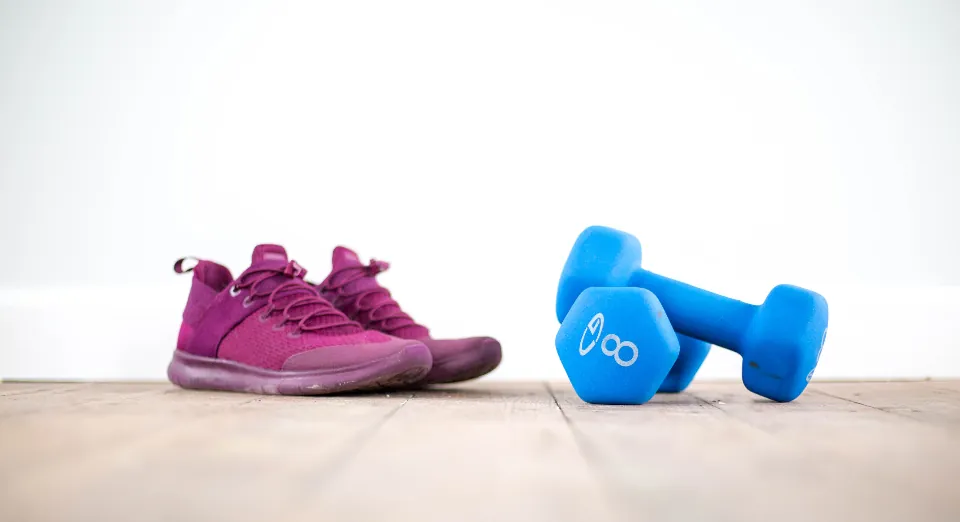
Strength training at home works well for beginners: two or three short sessions a week, using your own body weight and a few household items, are enough to build strength safely. This guide from Finishedfiling.com shows you which moves to start with, how to plan your week and how to progress without getting hurt.
Key Takeaways
- Aim for muscle-strengthening activity on at least two days a week, working all major muscle groups.
- Five basic moves (squat, push-up, glute bridge, row and plank) cover the whole body.
- Good form comes before more repetitions, more weight or more speed.
- Progress slowly by adding a few reps, a set or a harder variation every one to two weeks.
- Rest days matter: muscles adapt and get stronger between sessions.
Why Strength Training at Home Makes Sense
You do not need a gym membership to get stronger. Home workouts remove travel time, cost very little and let you train whenever your schedule allows.
Public health guidance supports making strength work a regular habit. The Physical Activity Guidelines for Americans recommend muscle-strengthening activities of moderate or greater intensity that involve all major muscle groups on two or more days a week, alongside regular aerobic activity. The UK’s NHS gives similar advice and lists practical strength exercises you can do at home.
Regular strength training can help you carry shopping, climb stairs and lift children or boxes with less effort.
What You Need to Get Started
A home routine can begin with almost nothing. Here is a simple checklist:
- A clear floor space about the size of a yoga mat
- A sturdy chair or the bottom step of a staircase
- A mat or towel for floor exercises
- Supportive shoes, or bare feet on a non-slip surface
- Optional: a pair of light dumbbells, filled water bottles or a resistance band
If you have a health condition, an injury or have not exercised in a long time, talk to a doctor or physiotherapist before you begin. They can tell you which movements suit you and which to avoid.
Five Beginner Moves That Cover the Whole Body
1. Squat or Sit-to-Stand
Stand with your feet hip-width apart, push your hips back and bend your knees as if sitting into a chair, then stand up again. Beginners can use a real chair and simply sit down and stand up with control.
2. Wall or Incline Push-Up
Place your hands on a wall or kitchen counter, step your feet back and lower your chest towards your hands. As you get stronger, move to a lower surface and eventually to the floor.
3. Glute Bridge
Lie on your back with knees bent and feet flat. Squeeze your glutes and lift your hips until your body forms a straight line from shoulders to knees, then lower slowly.
4. Bent-Over Row
Hold a water bottle or dumbbell in each hand, hinge forward from the hips with a flat back and pull the weights towards your ribs. This balances all the pushing moves by working your upper back.
5. Plank
Rest on your forearms and toes (or knees) and hold your body in a straight line. Start with 15 to 20 seconds and build up gradually.
A Simple Weekly Plan
The plan below spreads the work across the week so each muscle group gets time to recover.
| Day | Session | What to Do |
|---|---|---|
| Monday | Full-body workout | 2 sets of 8–12 reps of each move, plank for 20 seconds |
| Tuesday | Light activity | A 20–30 minute walk or easy bike ride |
| Wednesday | Rest | Gentle stretching if you like |
| Thursday | Full-body workout | Repeat Monday’s session |
| Friday | Light activity | Walk, dance or play a sport you enjoy |
| Saturday | Optional third session | 1–2 sets of each move, focusing on form |
| Sunday | Rest | Recover and plan next week |
Before each session, spend a few minutes warming up. Our guide on how to warm up and cool down properly explains a quick routine you can follow.
How to Progress Safely
Your body adapts to the work you give it, so the same routine gets easier over time. When you can complete every set with good form and feel you could do two or three more reps, it is time to make one small change:
- Add two reps to each set.
- Add one extra set.
- Slow down the lowering phase to three seconds.
- Move to a harder variation, such as a floor push-up instead of a counter push-up.
- Add light weight with dumbbells or filled bottles.
Change only one thing at a time and give yourself one to two weeks before the next step. Mild muscle soreness a day or two after a new workout is common. Sharp pain, joint pain or dizziness is not, so stop and seek advice if you feel any of these. On rest days, gentle movement still helps, and our guide on how to sit less and move more has easy ideas.
Common Beginner Mistakes to Avoid
Most setbacks come from doing too much too soon, which is why every routine we share on Finishedfiling.com starts small. Watch out for these habits:
- Skipping the warm-up: cold muscles and joints are more likely to strain.
- Rushing reps: fast, sloppy movement shifts the work away from the target muscles.
- Holding your breath: breathe out as you push or lift, and breathe in as you lower.
- Training the same muscles every day: muscles need rest days to recover and grow stronger.
- Comparing yourself with others: progress is personal, so track your own numbers.
At Finished Filing, we suggest writing down each session in a notebook or phone app. Watching your reps climb is a great motivator.
Building the Habit
Consistency matters more than intensity. Pick fixed days and times, keep your mat somewhere visible and treat each session like an appointment. If a full workout feels impossible on a busy day, do one set of each move: a short session still keeps the habit alive. Regular workouts can also change how often your hair needs washing, and our guide to hair care basics explains how to match your routine to your hair type.
You can find more beginner routines and training ideas in our Fitness section, and wider advice on mobility and recovery under Physical Health. If screen time tends to eat into your workout slot, our editorial piece on lessons from a month of digital minimalism shares ways to win back time.
Frequently Asked Questions
How Often Should a Beginner Do Strength Training at Home?
Two or three sessions a week is a good starting point for most beginners. Leave at least one rest day between workouts that train the same muscles, so they can recover. As your fitness improves, you can add a third session or extra sets, but keep progress gradual.
Can You Build Muscle Without Weights?
Yes. Bodyweight moves such as squats, push-ups, bridges and planks can build strength, especially for beginners. The key is progressive overload: making exercises harder over time with more reps, slower tempo or tougher variations. Light dumbbells or filled water bottles can be added later for extra challenge.
How Long Should a Home Strength Workout Take?
A beginner session of 20 to 30 minutes is usually enough, including a short warm-up and cool-down. Two sets of five full-body exercises fit comfortably into that time. Quality matters more than duration, so focus on controlled movement and good form rather than long sessions.
Is It Normal to Feel Sore After Strength Training?
Mild soreness one or two days after a new workout is common and usually fades on its own. Gentle movement and rest help. Sharp pain, joint pain, swelling or dizziness are different signals, so stop exercising and talk to a doctor or physiotherapist if you notice them.
Final Thoughts
Strength training at home is one of the simplest ways to look after your body: a little space, five basic moves and a steady weekly plan are all it takes. Start gently, focus on form and add challenge slowly. For more practical, easy-to-follow guides on health and everyday life, visit the Finishedfiling.com homepage.
Categories

Time in Nature: How to Get Outdoors More Often

How to Build a Walking Habit You Can Keep

Simple Meal Prep for Busy Weeks: A Beginner’s Plan

Healthy Grocery Shopping on a Budget: A Practical Guide

Eco-Friendly Habits for Everyday Living
Why People Research a Website Before Using It
Time in Nature: How to Get Outdoors More Often
How to Choose an Online Course That Fits Your Goals
How to Build a Self-Paced Learning Routine That Lasts
Browse practical articles on health, lifestyle, travel, education and business, organised by topic so you can find what you need quickly.