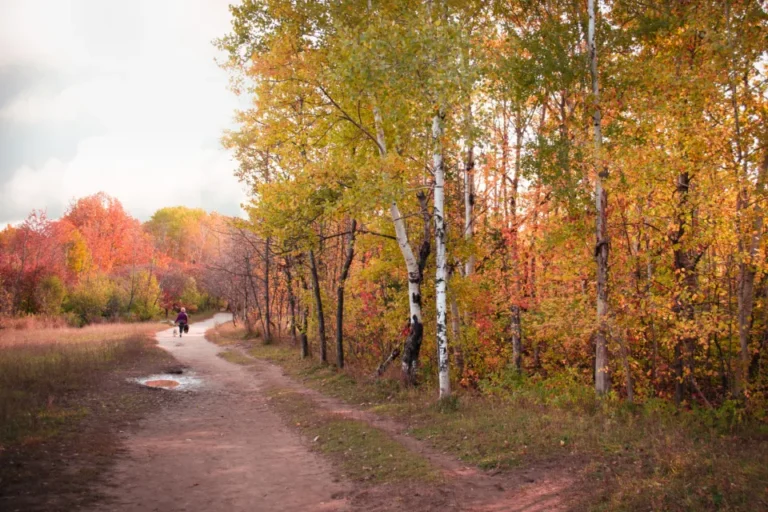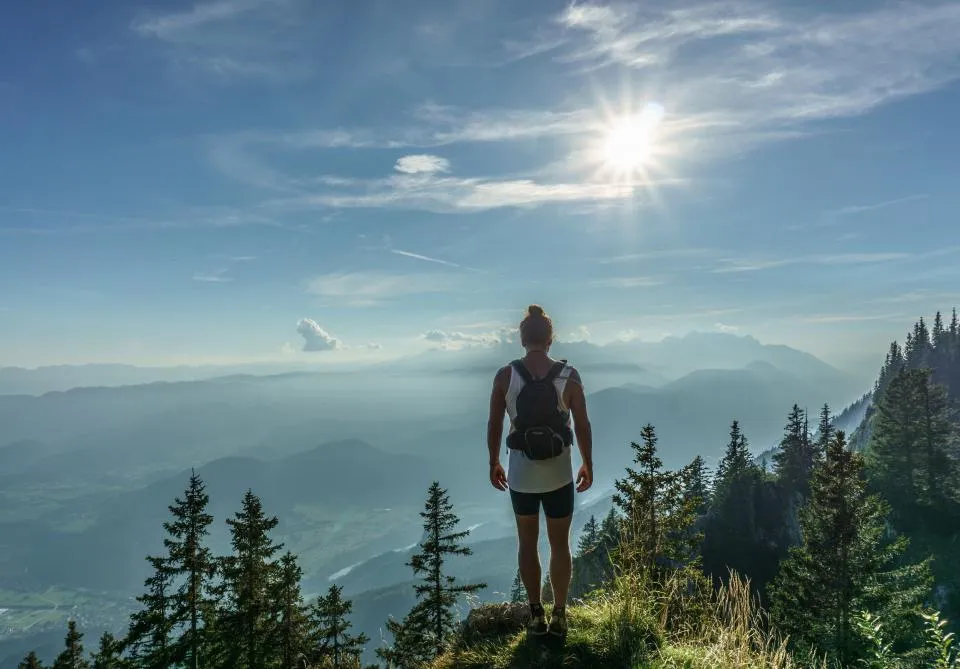
Spending time in nature means making regular room in your week for parks, gardens, trees, water and open green spaces. You do not need a long trip to the countryside: short, frequent visits to a local park, a garden or a tree-lined street are easy to fit into normal life and are a simple way to feel calmer and more refreshed.
This guide from Finishedfiling.com shares practical ways to get outdoors more often, ideas for every season and tips for staying safe while you enjoy it.
Key Takeaways
- Short, regular time in nature is easier to keep up than rare long trips.
- Local parks, gardens, rivers and even street trees all count.
- Combine outdoor time with things you already do, such as meals, calls or exercise.
- Leave your phone in your pocket for part of the time to notice your surroundings.
- Dress for the weather and protect yourself from strong sun and insect bites.
Why Time Outdoors Matters
Many people now spend most of their day indoors, often in front of screens. Getting outside adds daylight, fresh air and a change of scene to the day, and it often comes with gentle movement such as walking or gardening.
Public health bodies increasingly encourage people to use green spaces. The U.S. National Park Service’s Healthy Parks Healthy People work highlights the physical, mental and social benefits that parks can offer. Many people also say they feel calmer and more focused after time outdoors, which is why it fits well alongside the techniques in our guide to managing everyday stress.
Time in nature is not a treatment for any health condition. If you are struggling with low mood, anxiety or stress, it can be a helpful addition, but talk to a doctor or mental health professional for support.
Easy Ways to Spend More Time in Nature
You do not need to change your whole routine. Small additions add up over a week.
- Eat outside: take lunch or coffee to a park bench or garden.
- Walk a green route: choose streets with trees or a path through a park, even if it takes a few minutes longer.
- Move meetings outdoors: take phone calls or one-to-one chats on a walk.
- Garden: tend a few pots on a balcony, a window box or a community garden plot.
- Sit and notice: spend five minutes listening to birds, watching clouds or feeling the breeze.
- Plan a weekend outing: visit a nature reserve, lake, beach or woodland trail.
Finishedfiling.com readers who find it hard to switch off may like to pair outdoor time with the simple exercises in our mindfulness for beginners guide.
Ideas for Every Season
Weather is one of the main reasons people stay inside. Planning a few season-specific activities makes it easier to keep going all year.
| Season | Outdoor Ideas | Practical Tip |
|---|---|---|
| Spring | Spot blossom, plant seeds, walk after rain | Pack a light waterproof layer |
| Summer | Picnics, early-morning walks, outdoor swimming where it is safe | Go out early or late to avoid the strongest sun |
| Autumn | Leaf walks, collecting conkers or pine cones with children, photography | Wear shoes with good grip on wet leaves |
| Winter | Short daylight walks, bird watching, frosty morning photos | Layer up and keep walks shorter if it is icy |
Make Nature Time a Regular Habit
The people who get outdoors most often usually treat it as part of their routine rather than an occasional treat.
- Pick a regular slot. For example, a 15-minute walk after lunch or a Saturday morning park visit.
- Find your nearest green spaces. Look at a local map for parks, rivers, allotments and trails within walking distance.
- Invite someone along. Friends, family or a local walking or gardening group help you stay committed.
- Reduce barriers. Keep a bag with a water bottle, sunscreen and a light jacket ready by the door.
- Notice how you feel. A quick note afterwards can remind you why it is worth the effort.
If you would like to be more active at the same time, our guide on how to build a walking habit pairs naturally with this one.
Stay Safe Outdoors
A little preparation keeps outdoor time enjoyable.
Sun Protection
Use shade, clothing and sunscreen when the sun is strong. The NHS advice on sunscreen and sun safety recommends spending time in the shade when the sun is strongest and never letting your skin burn. Our article on sunscreen basics explains SPF and broad-spectrum labels.
Insects and Plants
In long grass and woodland, wear long sleeves and trousers, use insect repellent where needed and check your skin for ticks afterwards. Learn to recognise any plants in your area that cause skin irritation.
Weather and Routes
Check the forecast, tell someone where you are going if you head somewhere remote, and stick to marked paths. Take water and a charged phone on longer outings.
For more everyday wellbeing ideas, explore our Healthy Living section and the guides in Mental Health.
Frequently Asked Questions
How much time in nature should I aim for?
There is no single official target. A practical approach is to aim for some time outdoors most days, even 10 to 20 minutes, and a longer visit to a park or natural area at the weekend. Regular, enjoyable time outside matters more than reaching an exact number of minutes.
Does a city park count as time in nature?
Yes. City parks, gardens, riversides, tree-lined streets and community green spaces all give you daylight, fresh air and a change of scene. You do not need wild countryside to enjoy time outdoors. Choose the green spaces that are easiest for you to reach regularly.
What if I cannot get outside easily?
Bring nature closer to you. Open a window, sit near natural light, look after indoor plants or watch birds from a window. If mobility is a challenge, look for accessible parks with level paths and benches, or ask a friend or family member to visit a garden with you.
Is it safe to spend time outdoors in hot weather?
It can be, with care. Go out in the cooler morning or evening, stay in the shade during the hottest hours, drink water regularly and wear a hat, sunglasses and sunscreen. Older adults, young children and people with health conditions should take extra care in high heat.
A few minutes outside each day can become one of the most enjoyable parts of your routine. For more practical guides like this, visit Finishedfiling.com.
Categories

How to Build a Walking Habit You Can Keep

Simple Meal Prep for Busy Weeks: A Beginner’s Plan

Healthy Grocery Shopping on a Budget: A Practical Guide

Eco-Friendly Habits for Everyday Living
Composting at Home: A Beginner’s Guide
How to Build a Walking Habit You Can Keep
Why People Research a Website Before Using It
How to Choose an Online Course That Fits Your Goals
How to Build a Self-Paced Learning Routine That Lasts
Browse practical articles on health, lifestyle, travel, education and business, organised by topic so you can find what you need quickly.